Mon - Sat: 10:00am to 7:00pm
Vitreo-retina and uvea services focus on conditions affecting the retina, vitreous and the middle layer of the eye that can impact central and peripheral vision.
Dr. Monika Garg provides evaluation and management for selected retinal and uveitic conditions with emphasis on early detection and careful follow-up.
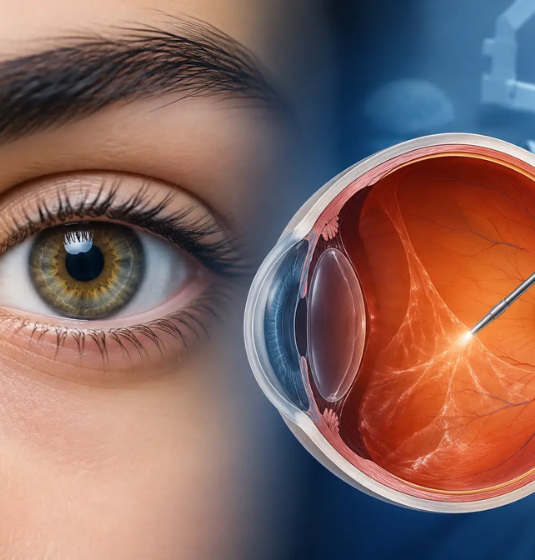
The retina is the light-sensitive layer at the back of the eye that converts light into signals for the brain. The vitreous is the clear gel that fills the eye, and the uvea is the middle layer that includes the iris, ciliary body and choroid.
Problems in these structures can lead to blurred vision, floaters, flashes, distortion or inflammation. Timely evaluation helps protect vision and guide appropriate treatment.
Consultation may be recommended for a range of conditions affecting the retina, vitreous and uvea.
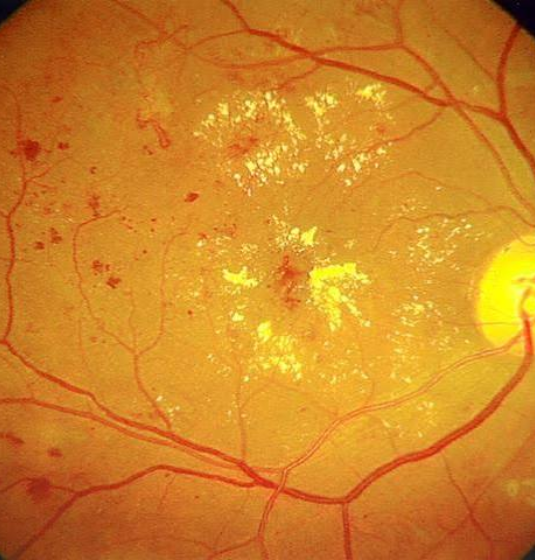
Screening and management of retinal changes caused by diabetes to help protect vision.
Evaluation of macular conditions that can affect central vision in older adults.
Assessment of sudden floaters or light flashes that may indicate vitreous or retinal issues.
Evaluation of conditions affecting the blood vessels of the retina.
Diagnosis and management of inflammation involving the uveal tract of the eye.
Regular monitoring for high-risk patients to detect changes early and protect vision.
Many retinal and uveitic conditions progress silently in the early stages. Regular evaluation, especially for patients with diabetes, hypertension or a family history of retinal disease, can help detect problems before significant vision loss occurs.
Careful diagnosis and timely management aim to preserve existing vision and reduce the risk of further damage.
Retinal and uveal care requires detailed examination, appropriate investigations and consistent follow-up.
Thorough examination of the retina, vitreous and related structures based on symptoms and risk factors.
Use of appropriate imaging and tests to understand the condition accurately.
Treatment and monitoring recommendations tailored to the specific diagnosis and stage.
Findings, prognosis and next steps are explained in simple, understandable terms.
Understanding the full picture is essential. Consultation includes a detailed history, specialised examination and discussion of findings and recommended next steps.
Discuss vision changes, floaters, flashes, distortion or any related medical history.
Careful examination of the retina, vitreous and related structures, with investigations if needed.
Review of findings, treatment options and recommended follow-up schedule.
It involves the diagnosis and management of conditions affecting the retina and the vitreous gel inside the eye that can impact vision.
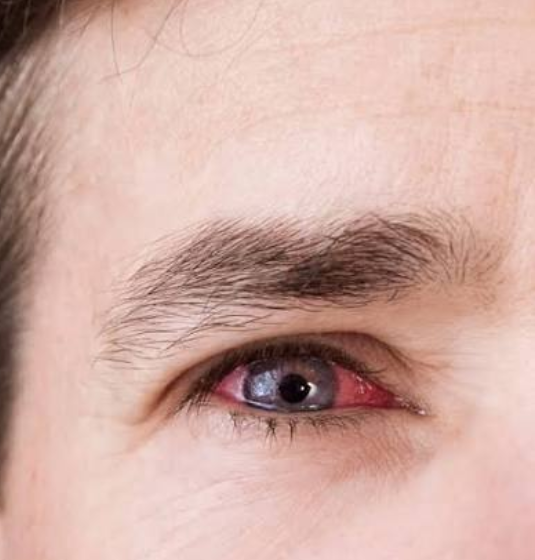
Uveitis is inflammation of the uvea, the middle layer of the eye. It can cause redness, pain, light sensitivity and vision changes and needs prompt evaluation.
Regular retinal evaluation is especially important for people with diabetes, high blood pressure, high myopia, or any sudden onset of floaters, flashes or vision distortion.
Many conditions can be managed effectively if detected early. The goal is to preserve existing vision and prevent further damage through timely care and monitoring.
Discuss your retinal, vitreous or uveitic concerns with Dr. Monika Garg for a careful and thorough assessment.