Mon - Sat: 10:00am to 7:00pm
Comprehensive glaucoma evaluation, monitoring and personalised treatment focused on protecting your vision for the long term.
Glaucoma can progress gradually and may not cause noticeable symptoms in its early stages. Regular eye examinations help identify changes early and allow your ophthalmologist to plan appropriate treatment and monitoring.
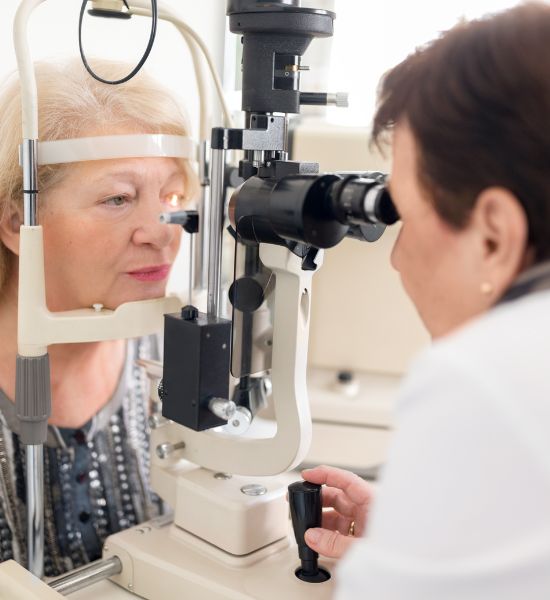
A comprehensive assessment helps understand eye pressure, optic nerve health and other factors relevant to glaucoma.
Ongoing follow-up helps monitor changes over time and supports timely adjustment of treatment when required.
Personalised management aims to control glaucoma and protect remaining vision over the long term.
Glaucoma is a group of eye conditions that can damage the optic nerve, which plays an important role in sending visual information from the eye to the brain.
Because glaucoma may develop without obvious symptoms, regular ophthalmic examinations are particularly important, especially for people who may be at increased risk.
Glaucoma can sometimes progress silently. Any new or concerning vision changes should be evaluated by an ophthalmologist.
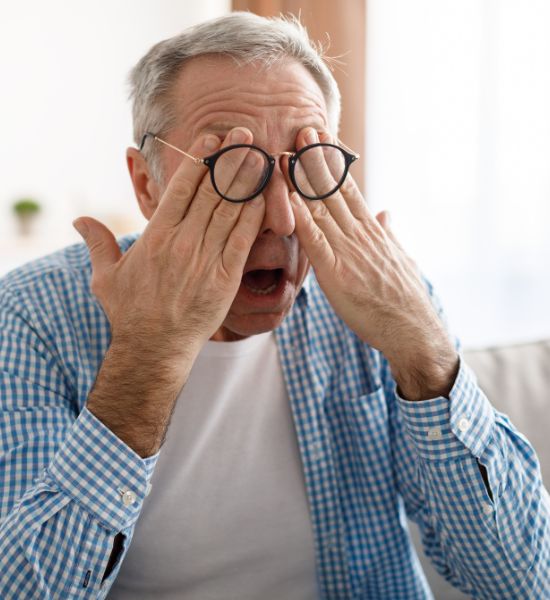
Noticeable changes in your vision should be professionally evaluated.
Difficulty noticing objects around the sides of your visual field requires attention.
People with a family history of glaucoma may benefit from regular eye examinations.
Regular eye checks can help identify problems before significant vision loss occurs.
Glaucoma management is tailored according to the patient's condition, risk factors, examination findings and treatment requirements.
Detailed assessment to evaluate eye health and identify findings associated with glaucoma.
Learn MoreMonitoring intraocular pressure as part of an individualised glaucoma assessment and follow-up plan.
Learn MoreRegular reviews help assess disease stability and determine whether treatment needs to be adjusted.
Learn MoreWhere appropriate, prescribed glaucoma medicines may be used to help lower eye pressure and control the condition.
Learn MoreCertain glaucoma conditions may be managed with appropriate laser procedures after specialist evaluation.
Learn MoreWhen required, surgical options may be considered based on the patient's condition and response to treatment.
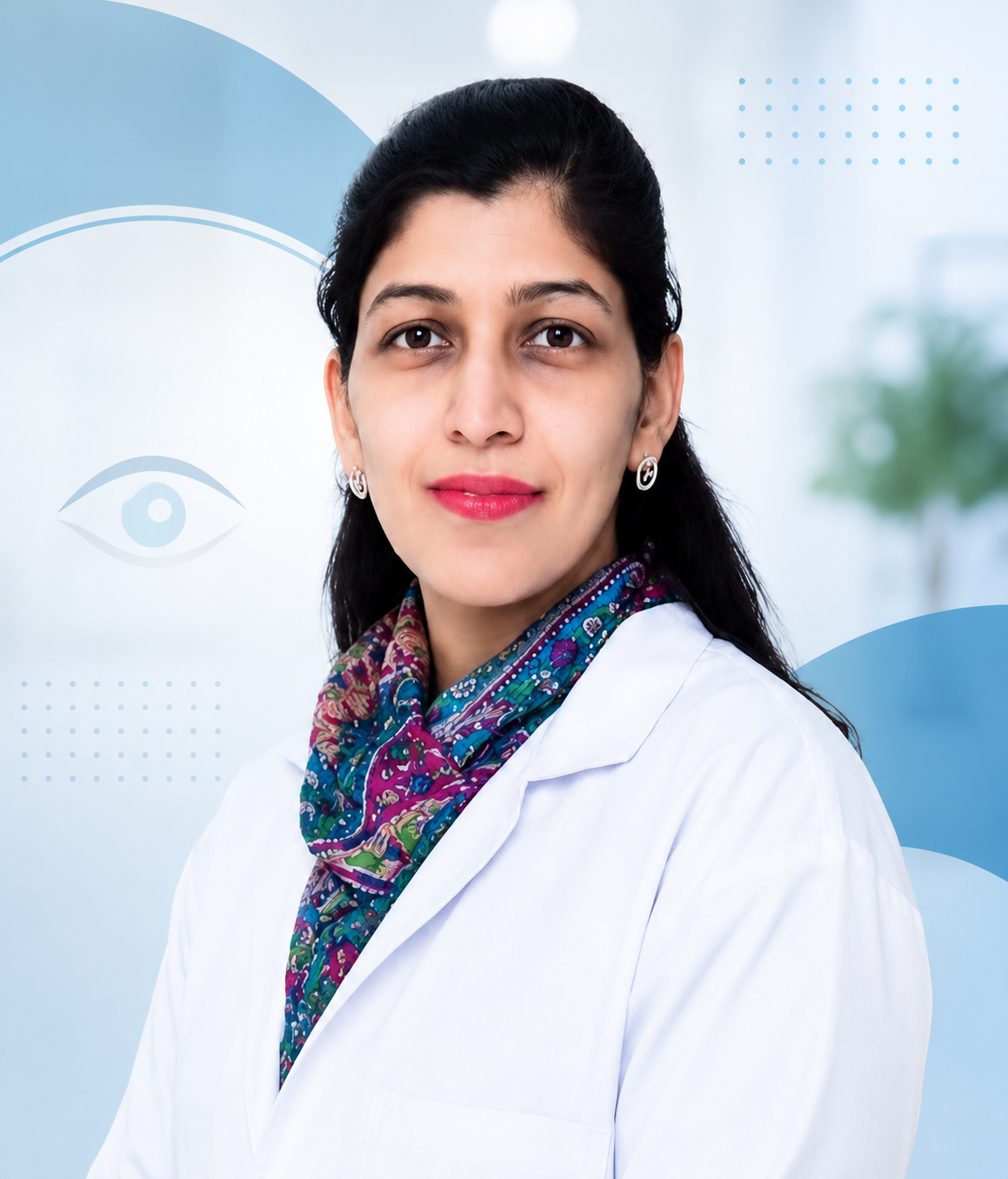
Learn MoreDr. Monika Garg is an experienced ophthalmologist with specialised training in glaucoma, cataract and comprehensive ophthalmology.
Her approach focuses on accurate assessment, personalised treatment planning and long-term monitoring of eye health.
Clear communication and personalised care based on each patient's needs.
Care begins with appropriate evaluation and understanding of the patient's eye health.
Ongoing follow-up helps track glaucoma and support appropriate treatment decisions.
Understanding your condition can make your eye-care journey easier. Here are some common questions about glaucoma.
Glaucoma refers to a group of eye conditions that can damage the optic nerve and may lead to vision loss if not appropriately managed.
Regular comprehensive eye examinations can help identify glaucoma-related changes before significant vision problems become noticeable.
Depending on the type and severity, treatment may include medicines, laser procedures or surgery. Your ophthalmologist will recommend the most appropriate option after evaluation.
Yes. Regular follow-up is important because glaucoma management often involves monitoring the condition over time and adjusting treatment when necessary.
Schedule a consultation with Dr. Monika Garg for a comprehensive glaucoma evaluation.