Mon - Sat: 10:00am to 7:00pm
The cornea is the transparent front surface of the eye that focuses light and protects the inner structures. Corneal disorders can significantly affect clarity of vision.
Dr. Monika Garg provides evaluation and management for corneal conditions including keratoconus, with emphasis on early detection and individualised care.
The cornea plays a vital role in focusing light onto the retina. Any change in its shape, clarity or thickness can lead to blurred vision, glare, sensitivity or progressive visual deterioration.
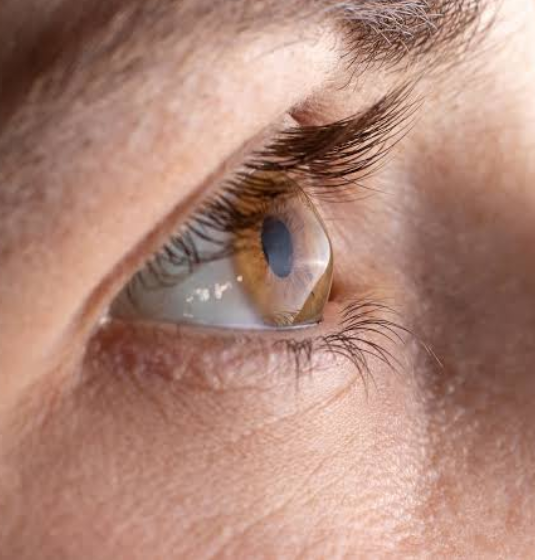
Keratoconus is a condition in which the cornea gradually thins and becomes cone-shaped, causing increasing distortion. Early diagnosis allows timely intervention to slow progression and preserve vision.
Consultation may be recommended for a range of conditions affecting the cornea and ocular surface.
Diagnosis, monitoring and management of progressive corneal thinning and conical shape change.
Evaluation of conditions where the cornea becomes irregular or weakened over time.
Assessment of surface disorders that affect comfort and clarity of vision.
Evaluation of haze or scarring that may reduce visual quality after infection or injury.
Prompt assessment of corneal infections that can threaten vision if not managed carefully.
Corneal assessment before and after laser vision correction to ensure long-term safety.
Many corneal conditions, especially keratoconus, progress gradually. Early detection through detailed examination and corneal mapping allows intervention at a stage when vision can still be protected.
Treatment is tailored to the stage of the condition, ranging from specialised contact lenses and monitoring to procedures that help stabilise the cornea.
Corneal care requires precise diagnosis, appropriate investigations and a plan suited to each patient’s stage and lifestyle needs.
Thorough examination including corneal shape, thickness and surface evaluation.
Use of corneal topography and related tests for accurate diagnosis and monitoring.
Treatment recommendations matched to the severity and progression of the condition.
Findings and options are explained clearly so you can make informed decisions.
Understanding the cornea fully is essential for correct diagnosis. Consultation includes detailed history, specialised examination and discussion of the most suitable management plan.
Discuss symptoms such as blurred vision, glare, frequent change in power or discomfort.
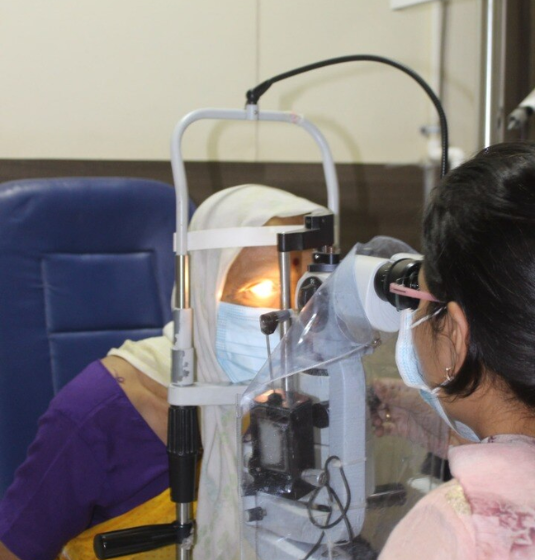
Examine corneal shape, thickness, clarity and surface health with appropriate tests.
Review findings, discuss treatment options and plan regular monitoring if needed.
Keratoconus is a progressive condition in which the cornea thins and bulges into a cone-like shape, causing distorted and blurred vision.
While the condition cannot always be completely reversed, early detection and appropriate treatment can help slow or halt progression and preserve vision in many cases.
Anyone with frequent changes in spectacle power, family history of keratoconus, high myopia, or unexplained visual distortion should consider a detailed corneal assessment.
No. Management depends on the stage of the condition, corneal thickness, visual needs and overall eye health. A personalised plan is essential.
Discuss your corneal or keratoconus concerns with Dr. Monika Garg for a careful and thorough assessment.